 Export Process
March 02, 20267 min read
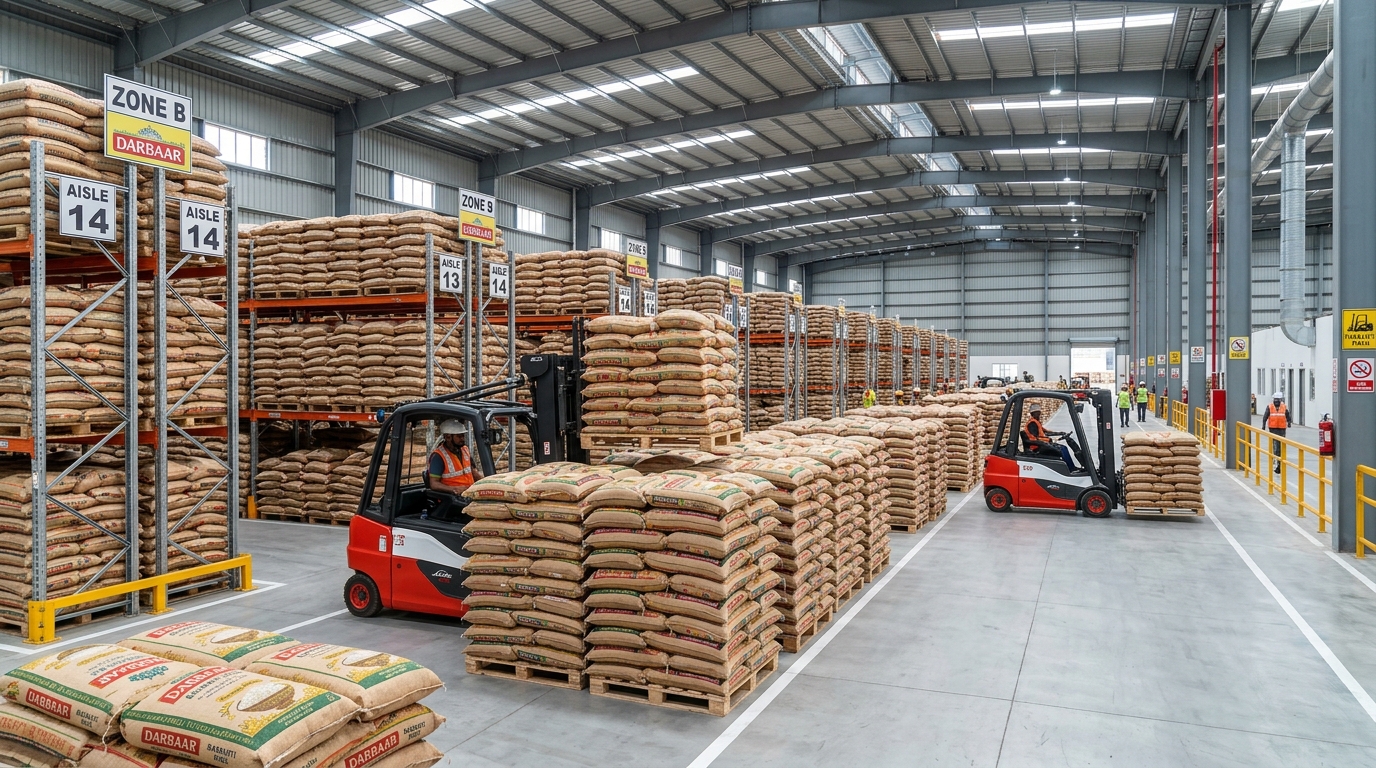
Navigating Rice Export Logistics: From Bahraich Silos to Global Container Ports
Read Article

A chef’s technical breakdown of moisture tolerance, starch structure, and kernel integrity under high pressure dum cooking.
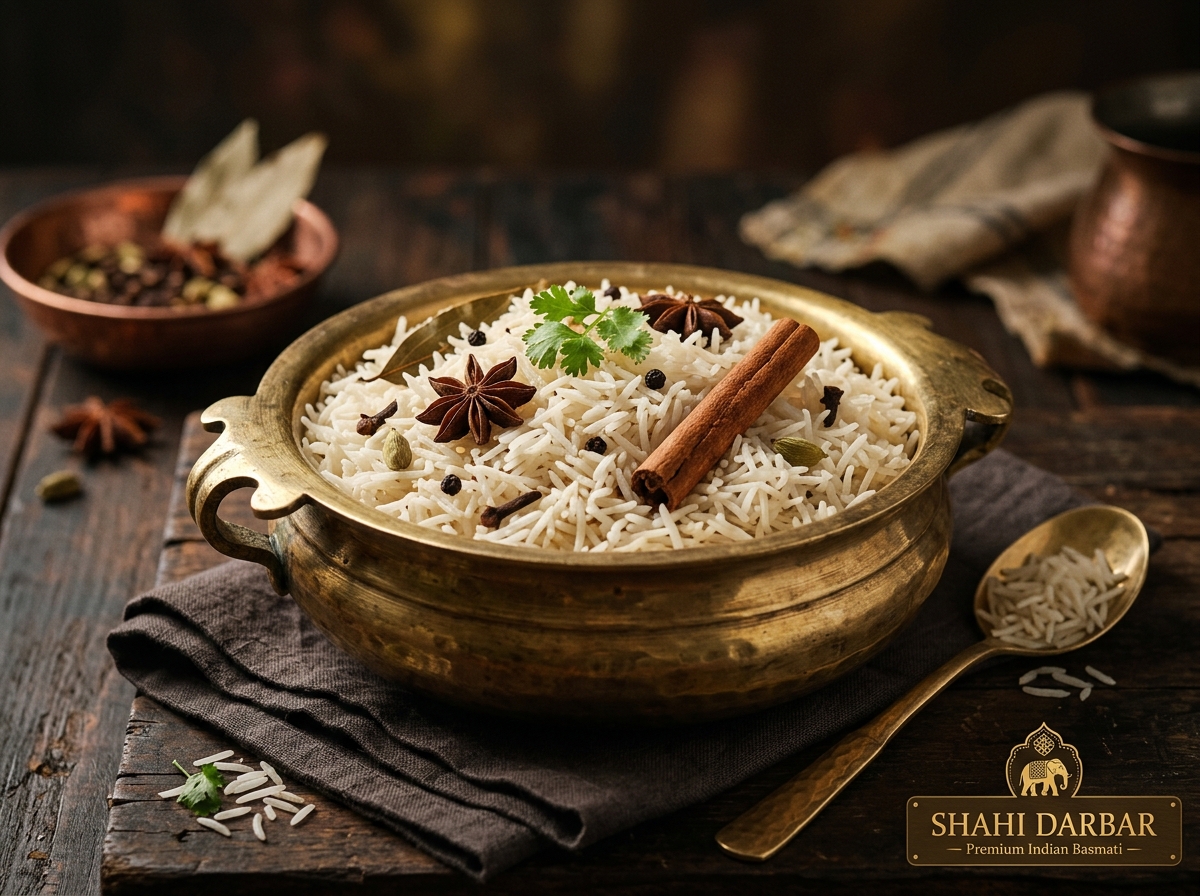
Extra-long grain 1509 Steam Biryani Special engineered for high-temperature dum handi cooking.
1509 Steam Basmati: Hydro-thermally hardened outer starch wall prevents breakage during heavy commercial catering.
Royal 1121 Aged: Unmatched raw length (8.35mm+) and intense aroma, ideal for luxury fine dining.
Dum Pressure Tolerance: Both varieties engineered to withstand 45+ minutes of sealed steam handi cooking.
Crafting an authentic Lucknowi or Hyderabadi Dum Biryani requires more than just fragrant spices — the structural integrity of the rice grain is paramount. When sealed under high pressure and steam in a heavy handi, lesser grains break, absorb excess fat, or turn into a congealed mass.
Our 1509 Steam Biryani Special undergoes a targeted hydro-thermal steaming process prior to husking. This gelatinizes the outer starch layer, reinforcing the grain walls. As a result, 1509 Steam Basmati holds its firm, slender shape through hours of high-temperature dum cooking.
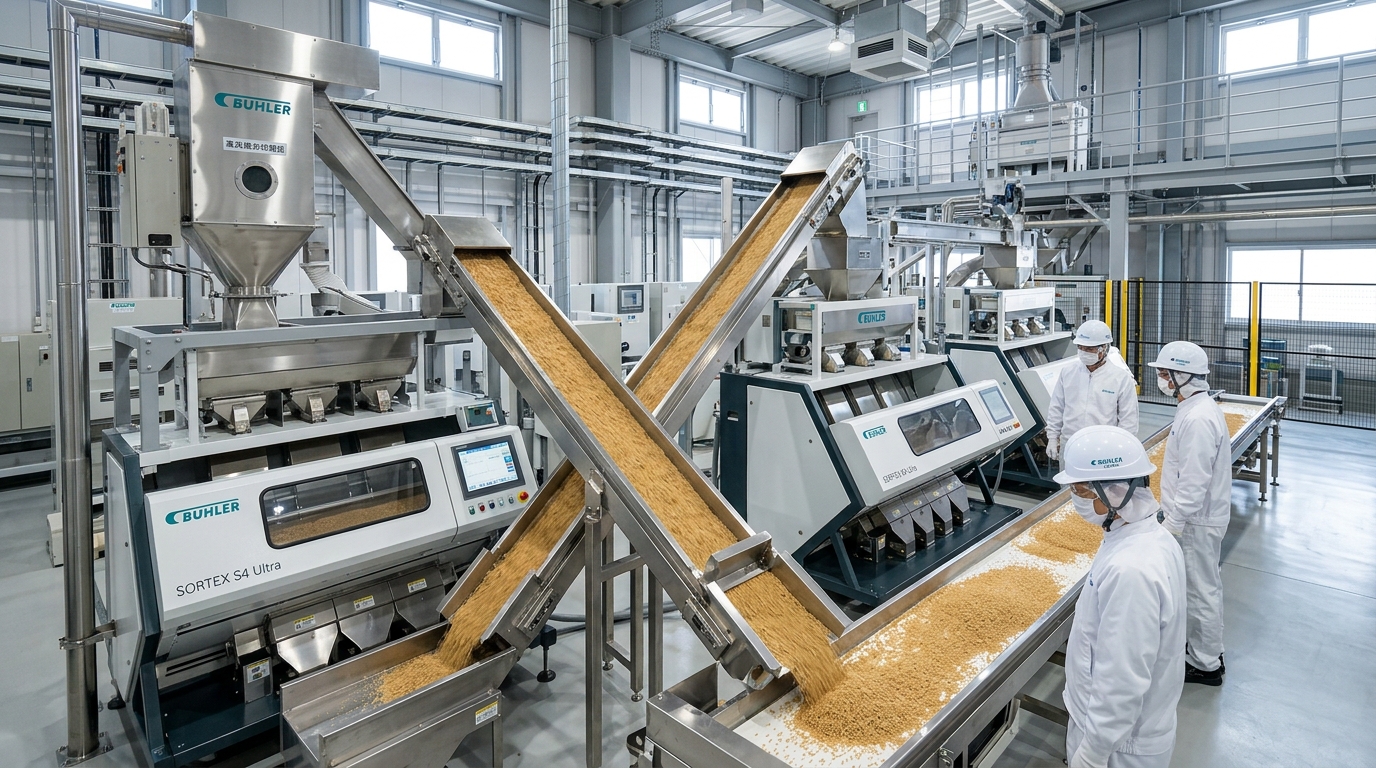
Optical color sorting lines separating chalky grains to ensure uniform heat absorption during dum cooking.
On the other hand, Royal Aged 1121 Raw Basmati offers unmatched raw length (8.35mm+) and a deeper, nuttier aroma favored by fine dining establishments. While 1121 requires delicate handling during boiling, 1509 Steam provides a resilient, non-breakage guarantee ideal for high-volume commercial caterers.
Understanding these technical characteristics enables executive chefs to select the exact grain profile that complements their kitchen workflow and culinary vision.